
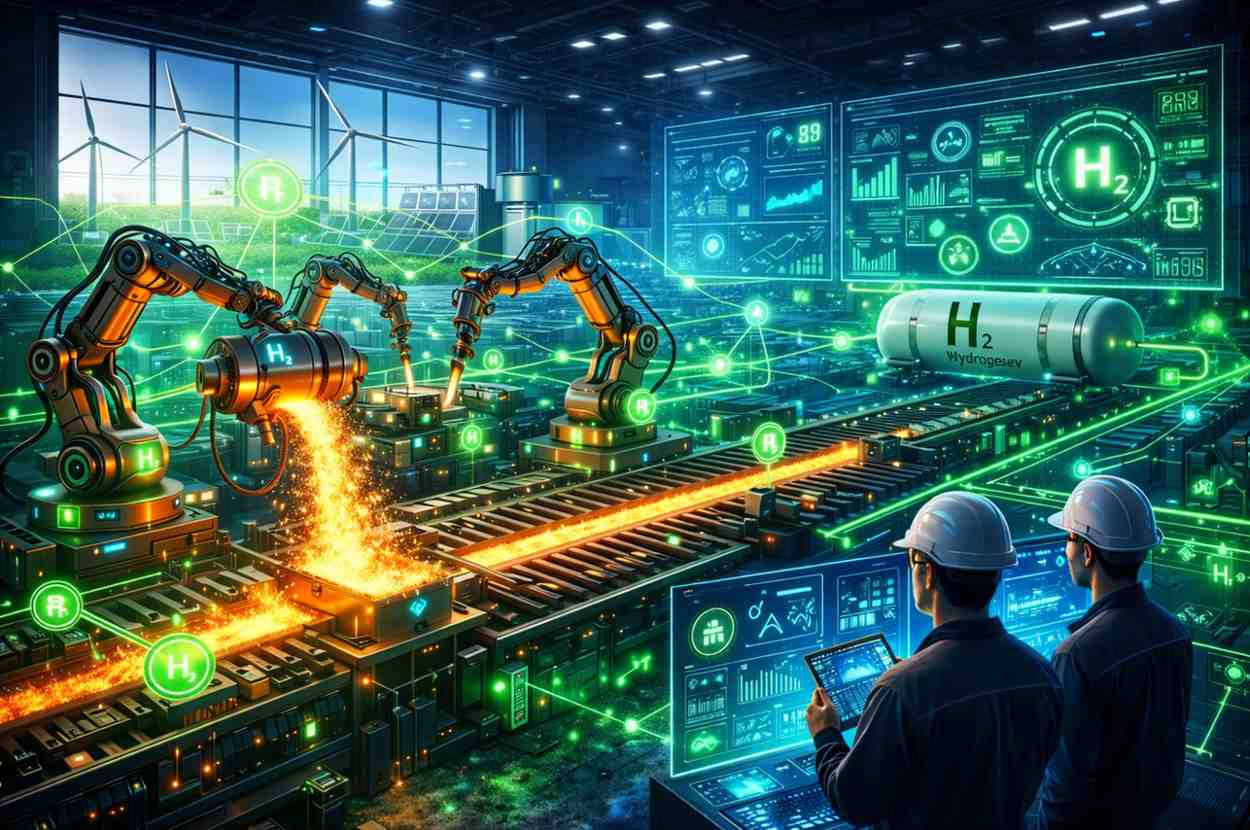
Out there among rising cranes and fresh concrete, steel work shifts quietly but surely. Machines once clunky now move with sharper minds behind them, reshaping metal in smarter ways. Speed climbs. The air gains a chance to breathe easier too. Down in the UAE, where skylines redraw themselves every season, such changes fit like morning light – natural, needed. Steel manufacturers in uae at Bright Side Steel stand within that shift, not apart from it, shaping beams and plans alike with tools just invented yesterday.
What happens when machines meet molten metal in desert heat? Tools shaping beams and bridges across the Emirates quietly shift old methods. Because precision now rides on digital eyes and robotic arms instead of just human instinct. These systems track every spark, adjust every pour. Not because it sounds impressive but because waste costs more than sensors. Change arrives not with speeches but through cooler furnaces, tighter cuts, fewer delays. Slowly the rhythm of making steel beats differently here.
Steel needs grow fast across the UAE as cities rise and industries expand. Not just buildings but factories too are shaping fresh demand. Because of massive efforts such as Expo City Dubai, attention turns to strong materials. Abu Dhabi’s port upgrades play a part in this shift. Rail lines stretching further add pressure on supply chains. Even eco-minded urban zones require durable frameworks. New transit routes push material needs higher. Growth doesn’t slow – steel stays central.
Rising demand pushes makers toward better metal – tougher, cleaner, built exact. Across the UAE, factories pour funds into new machines just to keep up.
Let’s look at the technological advancements in modern steel manufacturing in the region.
smart factories
Something shifting how things are made? Machines on the factory floor now link up – wired into shared networks that react, adapt, respond. Physical gear talks to digital brains, quietly syncing operations. Just smarter loops between sensors, software, machines.
Fresh off the line, machines move metal with ease. While welding sparks fly, another shifts heavy sheets without pause. Rolling happens next, smooth and steady. Cutting follows, sharp and precise, every time
Equipment keeps running while sensors watch closely. These small devices send updates nonstop. Machines share their status every second. Sensors catch changes right away. They stay connected without stopping. Information flows constantly from each part. Every movement gets recorded instantly
Systems tracking factory output often lower material loss. Machines spotting trends help avoid errors before they grow. Tools studying patterns shift resources where needed most. Software catching delays keeps workflows moving smoothly. Programs measuring performance guide smarter choices across sites
Cloud-based systems that allow remote operations and decision-making
Out back at Bright Side Steel, machines talk to each other through live data feeds. Temperature checks happen nonstop while metal gets shaped, thanks to tiny sensors tucked into the tools. Pressure readings shift by the second, feeding updates that keep everything on track. Mistakes show up early now, long before they turn into waste. Fewer errors mean less time fixing what went wrong earlier.
Advanced Materials Processing Methods
Fresh approaches in building rules show up where steel makers try different methods. Where older ways once ruled, now techniques shift toward stronger results instead.
A beam of light slices through material instead of blades, slowly taking over where old tools once ruled. Precision drives its rise, along with the ability to follow intricate paths that physical cutters struggle to copy.
Cutting metal sometimes relies on plasma or waterjets, especially with tricky alloys. Because of these methods, less material gets thrown away while jobs finish faster.
Additive Manufacturing 3D Printing
A method called additive manufacturing builds objects layer by layer. Though it hasn’t spread across most steelmaking operations just yet. Because of its precision, specialists now turn to it more often – particularly when crafting unique components or custom tooling.
Additive manufacturing has benefits, including:
Few tools shape what old machines can’t touch. Some forms come alive only through new techniques. Others emerge when limits fade. A different path builds what hands once refused. Impossible curves now rise without struggle. Old rules break where precision begins
Factories across the UAE now shape metal parts faster using 3D printing methods instead of old-school techniques. This shift helps firms adapt quickly when clients ask for unusual designs. Speed matters most during tight deadlines, so teams rely on layer-by-layer building processes. Custom tools arrive sooner thanks to digital blueprints guiding robotic arms. Performance improves without waiting weeks for overseas shipments. Local workshops gain ground by skipping long supply chains altogether.
Thinking machines. Systems that learn by doing
Fresh insights shape how steel gets made. Because machines learn patterns, factories across the Emirates adjust faster. Decisions grow sharper when numbers guide each move.
AI is used in areas, including:
Folks running steel plants find these tools useful because they spot issues before things break. Problems get fixed faster since decisions come quicker than before. When machines stay online longer, spending goes down without extra effort.
Augmented Reality and Virtual Reality
Faster learning arrives when reality blends with virtual tools. Workers fix things quicker because digital guides appear right where they’re needed. Practice feels real without risks, thanks to simulated environments. Mistakes teach better now, since redoing takes almost no time. Equipment updates roll out smoothly, as teams adapt through immersive experiences.
Imagine learning to run big machines without any risk. That happens when staff practice using virtual reality setups. Picture workers wearing smart glasses that show steps right before their eyes. These display details directly on equipment parts. Mistakes drop because guidance appears exactly when needed. Safety climbs since help is always visible during tasks.
Sustainable Eco Friendly Technologies
Fresh thinking shapes how steel works now. Machines hum differently across factories in the UAE. Tools evolve where heat once ruled alone. Choices today lean on smarter methods instead of old habits. Progress shows up quietly in operations. Change arrives without fanfare through steady upgrades
Electric arc furnaces use less energy and lower CO2
Heat that escapes through exhaust gets caught by special setups. These systems turn what was lost into useful energy later. Instead of vanishing, warmth finds a second purpose – either making electricity or warming spaces. Some machines pull double duty just by redirecting flow. What would fade away now serves again down the line. Energy moves on, repurposed before disappearing entirely
Worries about climate start here – watching carbon levels shapes how factories operate. Machines that measure smoke signals push cleaner methods forward. Seeing the numbers changes behavior behind closed doors. Progress hides in details most overlook, like where energy leaks appear. Cleaner workspaces emerge when data leads decisions. Truth lives inside daily reports. Heavy industry shifts quietly once facts settle
Bright Side Steel focuses on protecting the environment by choosing cleaner methods. Its path leans on new tools that ease pressure on nature. Change comes through steady choices, not grand promises. Progress in factories often happens quietly. Each step forward avoids harm before it begins.
Robots and machines in handling tasks
Lifting heavy loads often leads to risk on steel sites. Machines that move without drivers help reduce those hazards. Arms built for tough tasks take over repetitive jobs. Workers team up with smart helpers designed to share space safely. Efficiency rises when tools handle the strain. Safety improves where humans once struggled.
Risk in the workplace drops when machines take over repetitive jobs. Tasks finish faster without hands doing every step. Bodies stay safer where automation steps in. Time moves quicker through each work phase once human effort pulls back.
Real-Time. Digital Twin Technology
A copy inside a machine mirrors real-world gear or actions. Running alongside reality, it updates through sensor signals tied to programs.
Digital twins have benefits, including:
Fresh off the press, digital replicas help today’s steel plants run smoother while lifting quality. A shift happens when virtual models mirror real-world processes, nudging efficiency up without extra effort. These twin systems track every move, allowing tweaks that sharpen output over time. As changes feed back into design, better materials emerge almost by accident. With constant feedback, refinements stick – no grand plans needed.
Tracking Goods with Blockchain
Steel plants now trace raw materials using blockchain. Quality checks get logged step by step through that system. Certifications follow each batch like a digital passport. Not just coins run on these chains.
A single shared record can link everyone from supplier to user. Think defense work, space tech, oil rigs – places where knowing every detail matters just as much as following rules. Trust grows when steps aren’t hidden.
We also have Energy Management Systems
Heavy steel factories need massive power. Because they run nonstop, watching how electricity flows becomes key. When usage spikes, cutting back certain operations can ease strain – smart tools make that shift happen without delay. Spotting weak spots in daily cycles often reveals where waste hides. These systems step in before demand surges get out of hand.
When EMS teams up with live updates and smart systems, less power gets tossed away in steel plants. Greener results show up out of nowhere.
Technology Importance for UAE Steel Production
Facing tomorrow head-on, the UAE pushes ahead while steel makers play catch-up. Without tech, staying in the game gets tricky – so shifts happen fast when tools evolve
Facing tighter demands, steel makers across the UAE now shift toward digital tools instead of old methods. Machines talk to software, updating steps without delay. Cleaner techniques replace heavy smoke routines slowly fading out. Factories run smarter because sensors catch errors before chaos spreads. Progress hides in small upgrades most never notice at first glance.
Built strong, right here. New ideas drive every piece we make
Fresh ideas power how things get done at Bright Side Steel. Technology steps in where service matters most. What shows up every day is a mix of smart tools meeting real needs. Tools adapt when client demands shift. Progress means staying alert, not just busy. Each update answers a specific request. Systems grow only if they help someone directly
Starting strong means making steel that fits global rules yet still surprises customers. Not just ticking boxes, it hits marks through steady results, long-term thinking, trust in every batch. Built tough but made smart, each piece carries weight without waste. Performance shows up where it matters most – right when needed, every time.
Out there, steelmaking keeps changing. Down the road, new directions might show up like smarter machines working longer hours without help from people
Fueled by rising needs for intelligent systems, tech’s place in making steel expands. While cities evolve, tools shaping metal adapt just as fast. Driven forward not only by progress but also necessity, innovation reshapes how beams are built. Where construction pushes ahead, digital methods follow close behind. Because demands shift, factories transform – quietly, steadily, differently.
Fueled by machines that think and learn, making steel has changed fast. Instead of old methods, smart systems now shape how things are built. Because precision matters more than ever, new techniques push limits quietly. Even so, saving resources stays central to progress behind the scenes.
When firms seek help from steel makers in the UAE, knowing how these systems work leads to wiser choices. Smarter picks often result in stronger materials. Stronger materials tend to strengthen business ties too.
Tomorrow’s steel problems? Tackled now at Bright Side Steel. Tools show up early. Systems adapt fast. Vision stretches ahead. This is how progress arrives – ready.


