
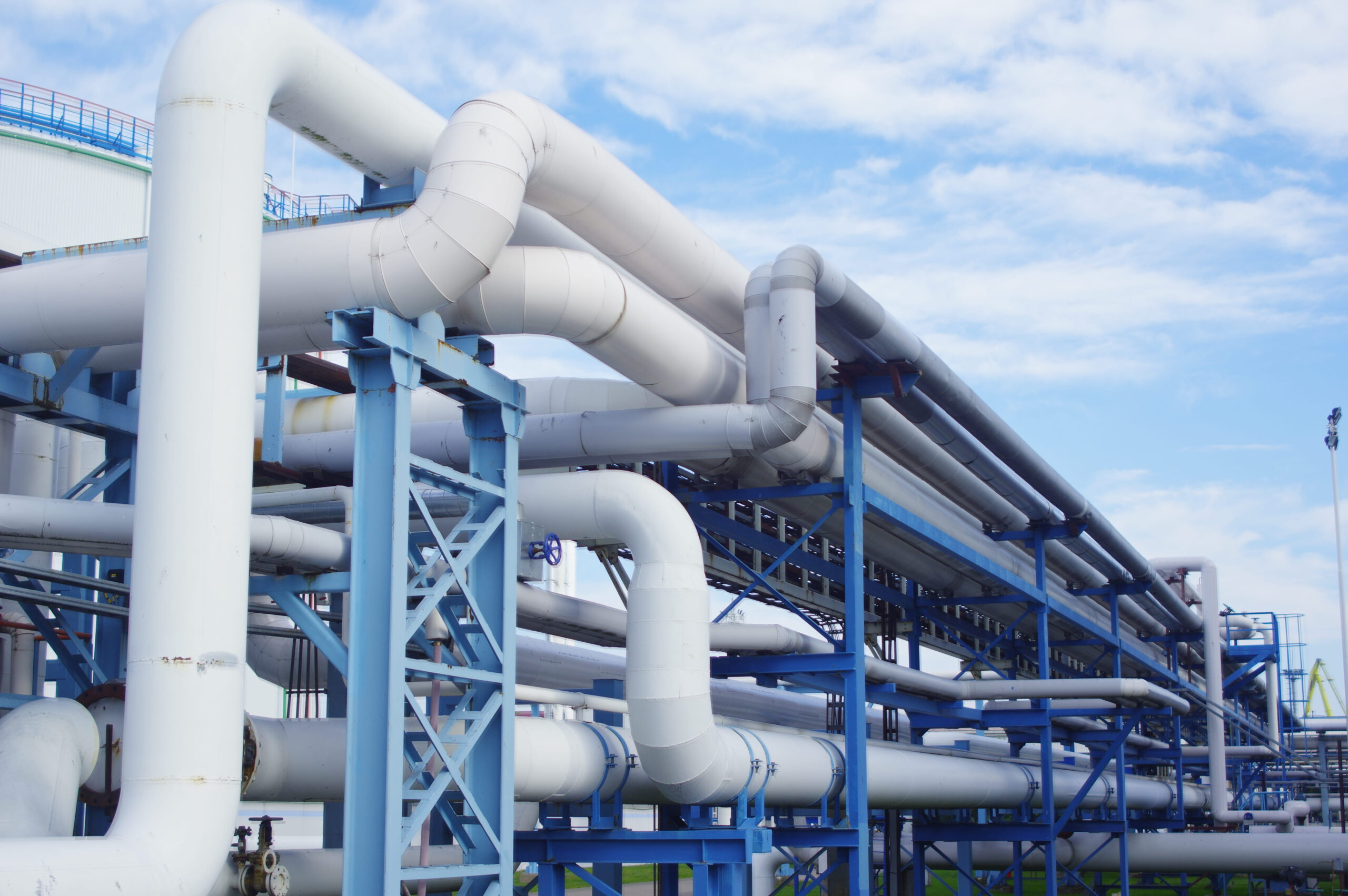
The oil and gas industry is one of the most demanding sectors in the world. Every single part that is used in pipeline systems has to be able to handle high pressures and very bad weather. It also has to keep working all the time. Oil and gas pipeline equipment is used to transport oil and gas and to help with refining and getting the energy to people. So it is very important that this equipment is safe and works well. In such a high-stakes industry, quality assurance is not just a recommendation-it is a necessity.
Quality assurance in oil and gas pipeline equipment is a process that makes sure products are good enough to meet the standards of the industry and that they are safe and work well. This is true for all the parts like pipes, fittings, flanges, valves and so on. Quality assurance helps stop things from going wrong saves money on maintenance and makes the whole operation run smoothly.
The United Arab Emirates is becoming an important place for energy in the world. Because of this companies are looking for high quality pipeline solutions to help them with projects. There are oil and gas pipeline equipment suppliers in the UAE and the demand for good ones is getting bigger. Companies want to make sure that the equipment they use is safe and will last a time and that it meets international standards.
This article explores why quality assurance matters in oil and gas pipeline equipment and how it contributes to long-term operational success.
Quality assurance is a step-by-step method that makes sure products are made checked and delivered to meet quality standards. Quality assurance is different from quality control. Quality control finds problems after products are made. Quality assurance tries to stop problems while products are being made.
In the oil and gas sector, quality assurance includes:
These practices ensure that every pipeline component performs reliably under demanding operating conditions.
The main thing that matters in the oil and gas industry is safety. We are talking about oil and gas operations. Pipeline systems are used to transport dangerous stuff over very long distances. If something goes wrong with the equipment it can be very bad. We could have leaks, explosions and a lot of damage to the environment. This would also cost a lot of money.
Quality-assured equipment minimizes the risk of:
By verifying that every component meets strict safety requirements, quality assurance protects people, communities, and the environment.
Pipeline equipment has to work in tough places like offshore platforms and deserts and industrial facilities. If the parts that make up the equipment are not very good they are more likely to break when they are exposed to things like:
Quality assurance processes identify weaknesses before equipment reaches the field. Through rigorous testing and inspection, manufacturers can ensure components perform as intended throughout their service life.
Reliability is crucial in oil and gas operations. Unplanned downtime costs a lot. Every minute of interruption affects production schedules and profits.
Quality-assured pipeline equipment offers:
Reliable equipment keeps oil and gas flowing and reduces problems, in upstream, midstream and downstream operations. Reliable equipment also helps to prevent disruptions. Oil and gas operations need equipment.
Many companies think about the cost when buying pipeline equipment.. Choosing cheaper products without proper quality checks often means more expenses in the long run.
Quality assurance helps reduce:
Investing in quality equipment might cost more at first but it saves a lot of money over its lifetime.
A pipeline failure can result in:
Quality checks help prevent these costly problems before they happen.
The oil and gas sector is subject to rigorous international regulations and industry standards aimed at ensuring the highest levels of safety, reliability, and performance.
Common standards include:
When we make sure that the equipment we use for oil and gas pipelines meets these standards we are less likely to have problems with rules and laws and people are more likely to accept our projects.
Companies that buy equipment, for oil and gas pipelines in the UAE usually want to work with suppliers that follow the rules and standards that are used everywhere. They want to know that oil and gas pipeline equipment meets these standards.
Material selection is where it all starts when it comes to making sure things are quality. Pipeline systems work well because of the materials used to make them.
Each material is good for certain things depending on how it will be used.
Quality assurance includes:
These checks make sure the materials meet the projects needs and will perform well.
We make sure everything is of quality not just the raw materials but every step of production.
Engineers check that equipment designs work well and meet industry standards.
Production processes are continuously monitored to ensure consistency and accuracy.
Components are measured to confirm compliance with specified tolerances.
Welding is crucial, in pipeline construction so we inspect it to ensure it’s strong and lasts long.
We evaluate coatings and finishes to ensure they protect against corrosion.
Each step of quality assurance is important, for making equipment that we can rely on to work even in tough conditions and quality assurance is what helps us make sure that the equipment is good quality.
Testing is really important for making sure things are of quality.
This test checks if equipment can handle pressure levels without leaking or getting damaged.
NDT helps inspectors find defects without hurting the equipment.
Pressure tests make sure equipment works well under normal conditions.
These tests check how equipment resists damage from chemicals and the environment.
Mechanical tests assess:
Comprehensive testing ensures that equipment can perform reliably in real-world applications.
The oil and gas industry really needs traceability.
Every pipeline component should have documented records that identify:
With traceability operators can quickly. Fix problems if they happen. It also helps with following rules and managing quality.
Corrosion causes pipeline failures around the world.
Things that make rust happen include:
Quality assurance helps stop rust through:
By reducing corrosion risks companies can make equipment last longer and work more reliably.
Sustainability is becoming increasingly important in the energy sector. We need to make sure that the equipment we use for pipelines is quality. This helps the environment because it stops leaks and waste and saves resources.
Benefits include:
Quality assurance is important for Sustainability goals because it helps us make strong and efficient infrastructure, which is good, for Sustainability. Quality assurance and Sustainability go hand in hand to make the energy sector better.
Quality assurance is not just for the people who make things. Suppliers are very important when it comes to keeping products good throughout the supply chain.
A reliable supplier should provide:
When you are looking for suppliers of pipeline equipment you should check how they manage quality and what experience they have in the industry.
The growing demand for dependable oil and gas pipeline equipment UAE providers highlights the importance of working with suppliers that maintain rigorous quality assurance standards.
Offshore environments present unique challenges, including:
So equipment that is used offshore has to be checked carefully. This is called quality assurance. We do this to make sure that the equipment is strong and safe.
Quality-focused manufacturing enables offshore operators to minimize maintenance needs and reduce the risk of costly equipment failures.
Big oil and gas projects cost a lot and have deadlines. If equipment breaks down it can delay the project. Make it more expensive.
Quality assurance supports project success by:
Projects that use quality-assured equipment have a chance of achieving their long-term goals.
Technology is changing how we do quality checks in the oil and gas industry.
Modern machines help us find defects accurately and check how well things work.
When we automate manufacturing it makes things more consistent and reduces mistakes made by people.
Watching data in time helps us see trends, in quality and make production better.
Keeping records makes it easier to track things and manage rules and regulations.
These changes make quality checks better. Improve how well everything runs changing how we do quality checks in the oil and gas industry.
Organizations can make quality assurance stronger by following some practices:
Define what you want to achieve and how you will measure success.
Check your processes often to find ways to get better and make sure you are following the rules.
Your employees need to know what they are doing to keep quality high.
Choose suppliers who have experience and the right certifications.
Check your processes often to find ways to get better and make sure you are following the rules.
By doing these things organizations can get results and be reliable, in the long run.
Some businesses think quality assurance costs much.. Really it’s a smart investment that pays off big time.
Advantages include:
Quality assurance adds value to pipeline equipment from start, to finish. It helps ensure pipeline equipment lasts longer and works better. Quality assurance is key.
When you are working on a project where safety and durability’re very important you need to work with a steel supplier that you can trust. Bright side Steel Industries LLC is a company that people in the UAE trust because they provide good steel products. These products are used in a lot of projects like construction and energy projects.
The oil and gas industry is getting bigger in this region so people need steel that’s very good quality. This steel is used to build pipelines, frameworks for buildings and equipment that is used in factories. All of these things need steel that can handle conditions and last for a long time. Bright side Steel knows how important this is and they make sure to provide steel that meets the standards of the industry.
Bright side Steel is very careful about where they get their steel from. They make sure that every step of the process is done correctly. They work with manufacturers that they trust and they make sure that everything they do meets standards. This means that customers can get steel products from Bright side Steel that will work well and last for a time. This helps people work safely save money on maintenance and get their projects done more efficiently. Bright side Steel is committed to providing quality steel solutions for industries, like oil and gas construction and energy.
Brightside Steel does more than just provide quality steel products. It wants to build relationships with its clients that last for a long time. The team at Bright side Steel has a lot of experience. They work very closely with people like contractors, engineers and project managers to understand what each project needs. They then suggest the steel products for each project. This way of working with clients helps businesses make decisions when they buy steel products and they can still finish their projects on time and within their budgets.
Bright side Steel helps with projects like building new roads, industrial facilities and energy projects. No matter what kind of project it is Bright side Steel always tries to do its best and provide the products and service. The company makes sure to be reliable follow all the rules and make its clients happy. That is why companies, in the UAE trust Brightside Steel to provide them with steel products.
If a business wants to buy materials that will make their work safer and more efficient Bright side Steel Industries LLC is a good choice. They have the knowledge, a range of products and they are committed to helping businesses succeed with their projects in the long run. Bright side Steel is the company that businesses can rely on to provide them with the steel products and support.
The oil and gas industry needs quality assurance to be safe and work well. This means checking the materials and how things are made and testing and tracing everything. Quality assurance is important for pipelines to work properly.
If equipment breaks down in this industry it can be very bad. So companies have to make sure they are getting quality equipment. This helps reduce problems makes operations run smoother saves money on maintenance and helps the environment.
The energy industry is. Companies need to make sure they are getting the best equipment. They need to work with suppliers who follow rules. This is true for facilities on land platforms in the ocean and big construction projects. Quality assurance is what makes operations run well.
For companies that want pipelines that work well they should choose equipment that has been thoroughly checked and tested. This is the way to be safe and successful, in the oil and gas industry today. Quality assurance is what makes oil and gas operations safe, reliable and efficient. Companies should always prioritize quality assurance when it comes to oil and gas operations.
Quality assurance in oil and gas pipeline equipment is a process that we use to make sure that the equipment is made and tested according to the rules that the industry follows. This process helps to prevent problems with the equipment makes it work better and keeps people safe while they are using it.
Quality assurance is important because it reduces the risk of equipment breaking down leaking or causing accidents. It also helps prevent shutdowns. Quality assurance makes sure pipeline equipment can handle pressure, very hot or cold temperatures and tough working conditions.
Quality assurance is necessary for all parts of pipelines including:
Quality assurance checks that equipment meets safety rules by inspecting it testing the materials and evaluating how well it works. This lowers the chance of leaks, breaks and other problems that could hurt people and the environment. Quality assurance, in oil and gas pipeline equipment is crucial to keep everyone safe.


