
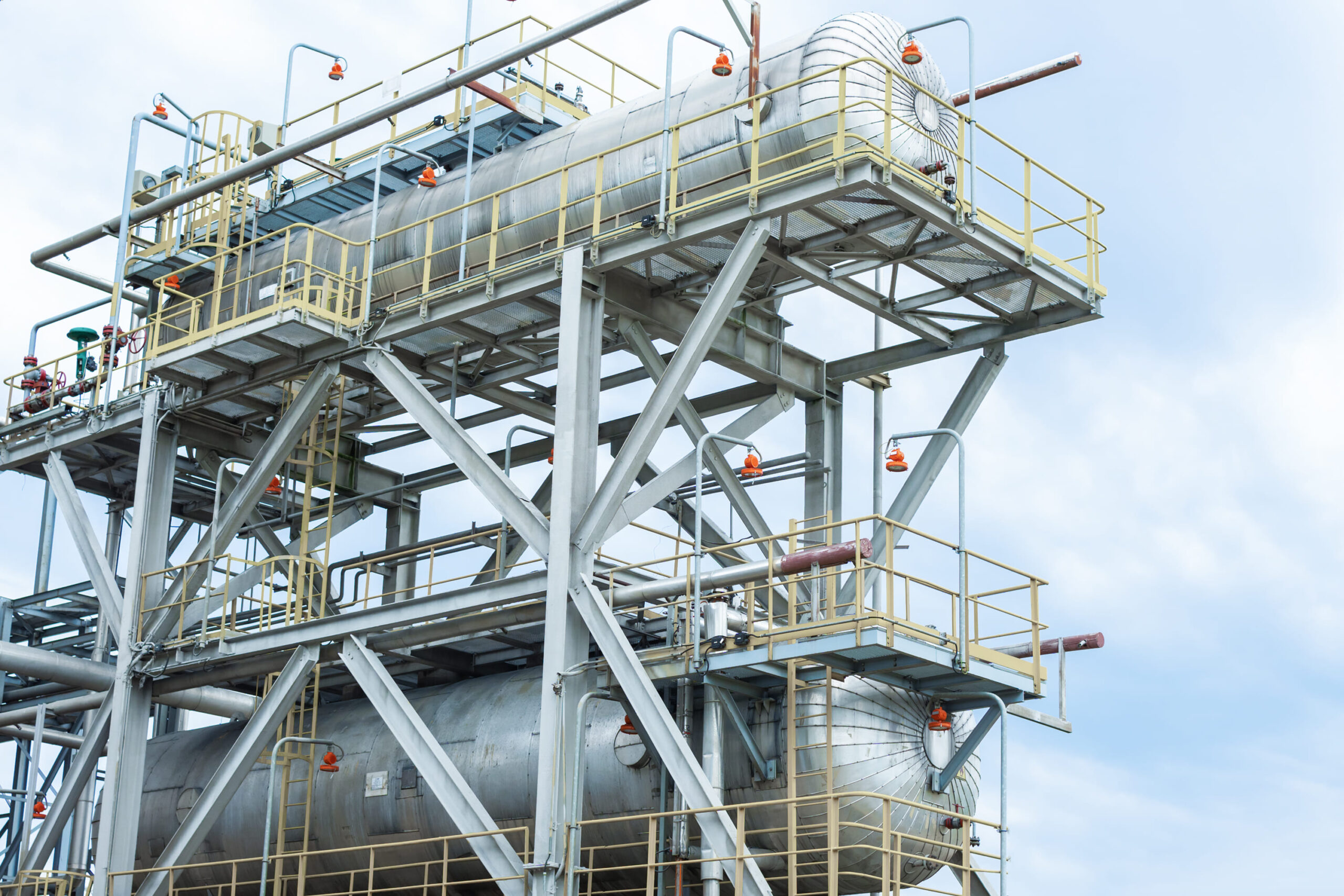
The oil and gas sector continues to evolve as companies seek greater efficiency, sustainability, safety, and cost optimization. Structural fabrication plays a vital role in supporting the industry by providing the steel structures, platforms, and frameworks required for large-scale energy projects. As technology advances and project demands increase, several Oil and Gas Structural Fabrication Trends are reshaping how energy infrastructure is designed, manufactured, and installed, helping companies improve performance, reduce costs, and enhance operational reliability.
As the industry enters 2026, technological innovation, digital transformation, and changing market demands are reshaping fabrication processes across the globe. In the Middle East in the UAE companies that make things are using new and better ways to build big energy projects.
This article talks about the trends in oil and gas structural fabrication in 2026. It explains how companies can use these trends to do. Oil and gas structural fabrication is a part of the oil and gas industry. The trends, in oil and gas fabrication will shape the industry in 2026.
Structural fabrication is really important for oil and gas infrastructure. It is used for platforms and refineries and petrochemical facilities and pipeline networks. The steel structures that are fabricated give the strength and durability and reliability that is needed in these environments.
Modern fabrication solutions help energy companies:
With global energy demand continuing to rise, the need for innovative fabrication solutions has never been greater.
One of the most significant trends in 2026 is the rapid adoption of modular fabrication techniques.
Rather than constructing entire facilities on-site, manufacturers are increasingly fabricating modules in controlled workshop environments before transporting them to project locations for assembly.
For people who work with oil and gas modular fabrication is a thing. It means that work can start sooner and it does not disrupt things much. Companies that make things in the UAE are spending a lot of money on fabrication so they can help with big energy projects, in the Middle East.
Digital technologies are revolutionizing how structural fabrication projects are planned, executed, and managed.
In 2026 we are seeing that advanced digital tools are being used in all fabrication facilities.
The Building Information Modeling or BIM helps engineers and people who make things create 3D models of structures before we start making them.
Benefits include:
The Digital Twin Technology gives us a copy of the structures we make. This allows the people who use the structures to see how they are doing throughout their life.
We can track projects in time. This helps everyone talk to each other better. The clients, engineers, people who make things and installation teams can all see what is going on.
These digital solutions are helping structural fabrication companies deliver projects more efficiently while reducing costly errors.
Automation continues to transform the fabrication landscape.
Robotic systems are now widely used for:
When it comes to oil and gas projects you need to be very precise and consistent.Automation helps with this by reducing mistakes that people might make. It also helps get things done faster.
Benefits include:
There are not workers in many industries around the world. That is why Automation and Robotics are becoming a thing, for companies that make things to invest in.
Environmental responsibility is a growing priority across the energy sector.
Fabrication companies are trying to be more environmentally friendly. They want to reduce the things they do to the environment while still doing what their clients want.
Advanced software helps fabricators maximize material utilization and reduce waste.
Modern fabrication facilities are investing in:
Steel is a material that can be recycled a lot. Many fabrication companies are doing recycling to help make the earth a cleaner place.Sustainability initiatives not only benefit the environment but also contribute to long-term cost savings.
Material innovation continues to drive improvements in structural fabrication.
High-strength steel is being used more and more in oil and gas projects because it has some benefits like:
Using high-strength steel enables engineers to design structures that are lighter but still strong.
Applications include:
These materials help reduce transportation costs while extending service life in demanding environments.
Corrosion is among the most significant issues for oil and gas infrastructure.
Exposure to:
can significantly impact structural integrity over time.
New coatings are more effective in protecting against corrosive elements in the environment.
Enhanced galvanization processes improve durability and reduce maintenance requirements.
Sensors may help monitor and detect corrosion issues, thereby preventing downtime.
In 2026, advanced corrosion prevention techniques play an important role in safeguarding valuable resources.
Each oil and gas project has its engineering problems.
As a result, demand for customized fabrication solutions continues to rise.
Custom Fabrication Supports:
Fabrication partners that can provide customized structural solutions have an edge because they meet the specific needs of each project.
The oil and gas industry operates under strict safety and regulatory requirements.
In 2026, quality assurance programs are becoming more advanced through:
Meeting international standards helps ensure:
Top fabrication companies have strong quality management systems to deliver good results, for important infrastructure projects.
Artificial intelligence is emerging as a game-changing technology across industrial manufacturing sectors.
In structural fabrication, AI applications include:
Artificial Intelligence algorithms look at how equipment’s doing to figure out when it needs to be fixed before it breaks.
Intelligent scheduling systems optimize workflows and improve resource allocation.
Special machines with vision can find problems, in the things we make faster and better than people can.
Artificial Intelligence helps us find ways to cut down on waste and make things more efficient.
As adoption increases, AI will continue reshaping fabrication processes throughout the oil and gas sector.
Governments across the Middle East are encouraging local industrial development to support economic diversification goals.
This trend is driving investments in:
The UAE is becoming a big place for building energy things. More people are investing in workshops to help with big oil, gas, petrochemical and renewable energy projects.
As more people want these things companies that make oil and gas structures in the UAE are trying to make things without forgetting about quality. The UAE is getting more important, for oil and gas structural fabrication UAE projects. These companies want to keep making good things.
Industry 4.0 technologies are making fabrication facilities smarter.
Connected manufacturing systems provide real-time visibility into production activities.
All of these things help Smart Fabrication Facilities work better have downtime and finish projects on time. This is good for Smart Fabrication Facilities. Smart Fabrication Facilities, like this because it helps them.
Safety is really important in the oil and gas industry.
Fabrication companies are introducing innovative solutions to reduce workplace hazards.
By using these new ideas companies can reduce the risk of accidents and still get a lot of work done. The oil and gas industry can improve safety. Be more productive at the same time, with safety-driven fabrication innovations.
The UAE is getting stronger as a place for building energy infrastructure.
Several factors are driving growth in the regional fabrication sector:
New oil, gas, petrochemical, and industrial projects are creating demand for advanced fabrication solutions.
Old facilities need to be made better and bigger so they work well and do not hurt the environment.
The UAE is a connection point between international markets, which makes it a great place for fabrication and logistics operations.
Companies that make things in the UAE are using technology so they can compete with other countries.
As these things keep happening the future of Oil and Gas Structural Fabrication in the UAE is looking very good. Oil and Gas Structural Fabrication in the UAE is going to be important. The future of Oil and Gas Structural Fabrication, in the UAE projects is looking good.
When it comes to the oil and gas industry you need to work with a company that gets the job done right. Bright Side Steel is that company. We make sure that our work is good we do it on time and we do it safely.
Bright Side Steel is really good at making structures for the oil and gas industry. We know what this industry needs and we make sure to give it to them.
Bright Side Steel uses technology and does things the way they should be done. This helps our clients get what they want when they want it. It does not cost too much. We help them get the results, for their oil and gas projects.
The oil and gas industry is going through a change. This is because of technologies like digital transformation and automation. The oil and gas industry is also focusing on sustainability and new manufacturing technologies. We are seeing things like building things in pieces and using computers to run operations. There are also factories and better ways to protect things from rust. All of these things are changing how we design and make components.
People need reliable buildings and roads so companies that make parts for oil and gas projects in the UAE need to get on board with these new ways of doing things. If they use the technology make sure everything is good quality and keep people safe they can give their clients in the energy business more value.
Bright Side Steel is still committed, to helping the oil and gas industry with what it needs. We make quality structures that are designed to work well last a long time and help our clients have long term success with their oil and gas projects.
Structural fabrication in the oil and gas industry is about making steel structures. This includes cutting and welding and putting together the steel to make things like platforms and pipe racks and skids and modules and support systems that are used in oil and gas facilities.
Modular fabrication is becoming popular because it helps get the work done faster and it makes sure the work is quality. It also helps keep people safe. It saves money by making the parts in a controlled place before they are put together on site.
Automation is making fabrication better by making sure the work is precise. It helps get more work done in less time. It also reduces mistakes that people might make. It helps keep people safe. Automation also makes sure that the quality of the work is always good.
Artificial intelligence helps make production schedules and it can tell when maintenance is needed. It also helps make sure the quality of the work is good. It makes the whole fabrication process more efficient. Artificial intelligence plays a role in structural fabrication in the oil and gas industry.
Corrosion protection is important in oil and gas projects because corrosion can make structures weak and it can increase the cost of maintenance. So we use coatings and galvanization and monitoring systems to help keep the structures from corroding and to make them last longer and be more reliable.
The UAE is a market for oil and gas structural fabrication services because it has a strong energy sector and a good location and it is investing in industry and infrastructure. This makes the UAE a great place, for oil and gas structural fabrication services.


